
In the ever-evolving landscape of business operations, Ai workflow automation stands out as a pivotal tool reshaping traditional processes. The integration of artificial intelligence into workflows promises enhanced efficiency and productivity sap business one price malaysia, but what are the underlying challenges that organizations face when implementing such transformative technologies? Understanding the complexities and nuances of AI workflow automation is essential for successful adoption and optimal utilization. Let’s explore the intricacies of this innovative solution and unravel the key considerations that can make or break its implementation within modern enterprises.
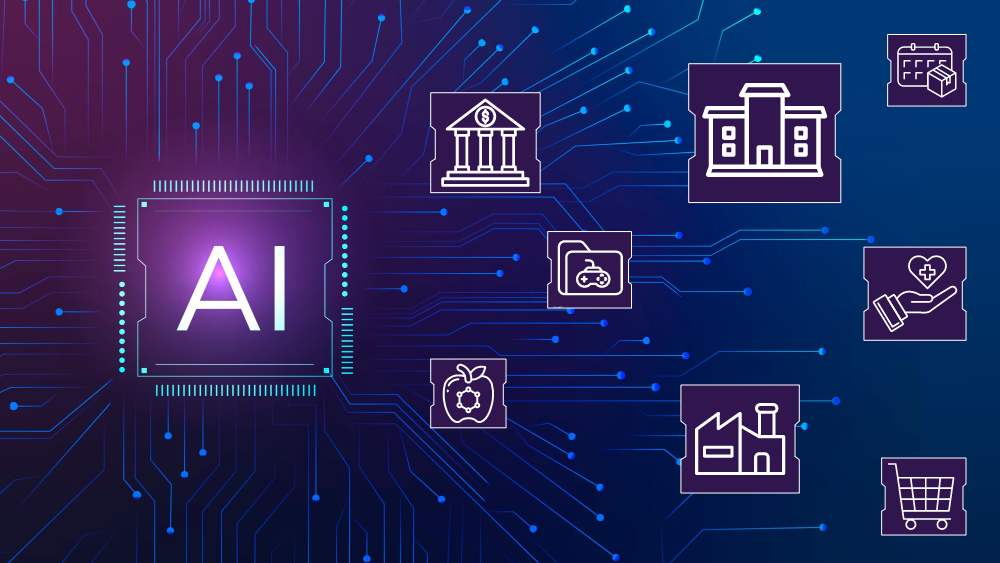
Benefits of AI Workflow Automation
The implementation of AI workflow automation in businesses has led to significant enhancements in operational efficiency and cost savings. By automating repetitive tasks, AI streamlines workflows, allowing employees to focus on more strategic initiatives. This results in increased productivity and reduced human error, ultimately leading to a more efficient operation.
One key benefit of AI workflow automation is improved decision-making. AI algorithms can analyze large datasets at a speed and scale that surpass human capabilities. This enables businesses to make data-driven decisions promptly, leading to better outcomes and competitive advantages in the market.
Furthermore, AI workflow automation enables businesses to adapt quickly to changing market conditions. Through real-time data analysis and predictive capabilities, AI systems can identify trends and patterns, allowing organizations to make proactive adjustments to their strategies.
Increased Efficiency Through AI
Enhancing operational processes with AI technologies can significantly boost overall efficiency within businesses. AI’s ability to automate repetitive tasks, analyze large datasets quickly, and make data-driven decisions in real-time streamlines operations and reduces the margin of error. By implementing AI-powered tools like chatbots for customer service, predictive analytics for inventory management, and natural language processing for document processing, organizations can save time and resources while improving accuracy and speed.
Furthermore, AI enables proactive problem-solving by identifying patterns and trends that human operators may overlook, allowing for preemptive actions to be taken. This predictive capability minimizes downtime, prevents issues before they escalate, and ultimately enhances the overall efficiency of business processes. Additionally, AI can optimize resource allocation by dynamically adjusting workflows based on demand, ensuring that the right resources are allocated at the right time.
Enhancing Productivity With Automation
Implementing automation technologies in workflows can greatly enhance productivity levels within organizations. By automating repetitive tasks, organizations can free up valuable time for employees to focus on more strategic and creative endeavors. Automation reduces the likelihood of human error, leading to higher accuracy and efficiency in processes. Additionally, automation streamlines workflows, eliminating bottlenecks and delays that can hinder productivity.
One key benefit of automation is the ability to scale operations without proportional increases in resources. As demand grows, automation can handle larger volumes of work without requiring additional manpower. This scalability is particularly advantageous in dynamic environments where workloads fluctuate.
Automation also enables real-time monitoring and analysis of processes, providing valuable insights for continuous improvement. By capturing data on performance metrics, organizations can identify areas for optimization and implement changes promptly.
Key Considerations for Implementation
Optimal implementation of AI workflow automation requires a strategic approach that considers various key factors to ensure successful integration and adoption within an organization. One crucial consideration is aligning AI technology with the organization’s specific needs and goals. Understanding the existing workflow processes, identifying pain points, and defining clear objectives are essential steps in this alignment process. Additionally, assessing the readiness of the organization in terms of infrastructure, resources, and employee skills is paramount to gauge the feasibility of implementation.
Another vital factor is data quality and availability. High-quality data is the lifeblood of AI systems, and ensuring data accuracy, relevance, and security is fundamental for effective automation. Moreover, considering the ethical implications of AI implementation, such as data privacy and algorithm bias, is critical to maintain trust and compliance.
Furthermore, establishing robust communication channels, providing adequate training and support for employees, and fostering a culture of continuous improvement are key elements that can facilitate smooth implementation and maximize the benefits of AI workflow automation.
Streamlining Repetitive Tasks
Efficiency enhancements, automation benefits, and optimization strategies are at the core of streamlining repetitive tasks in AI workflow automation. By focusing on these key points, organizations can significantly reduce manual labor, improve accuracy, and accelerate processes.
Implementing these strategies effectively can lead to a more streamlined and efficient workflow overall.

Task Efficiency Enhancements
Enhancing task efficiency through the optimization of repetitive processes is a critical component of AI workflow automation.
By streamlining repetitive tasks, AI can significantly reduce manual labor, minimize errors, and improve overall productivity.
Through task efficiency enhancements, organizations can allocate resources more effectively, allowing employees to focus on higher-value tasks that require human intervention.
Automation tools can standardize procedures, ensure consistency, and accelerate task completion times.
Additionally, AI can analyze workflow patterns, identify bottlenecks, and suggest improvements for enhanced efficiency.
By integrating AI technologies into task management, businesses can achieve greater efficiency, cost savings, and operational excellence.
The continuous refinement of these processes ensures that organizations remain agile and competitive in today’s fast-paced business environment.
Process Automation Benefits
Implementing process automation in workflow management brings about significant advantages by streamlining repetitive tasks and enhancing operational efficiency. By automating routine processes such as data entry, file organization, and report generation, businesses can save valuable time and resources. This not only reduces the possibility of human error but also allows employees to focus on more strategic and creative tasks that require human intervention.
Process automation leads to increased productivity, faster turnaround times, and improved accuracy in task completion. Moreover, it enables better resource allocation, as employees can concentrate on high-value activities that contribute to the overall growth and success of the organization. In essence, process automation optimizes workflow efficiency and empowers businesses to achieve their goals more effectively.
Workflow Optimization Strategies
To optimize workflow efficiency through streamlining repetitive tasks, businesses can strategically identify and automate routine processes that contribute to operational bottlenecks and resource wastage.
By leveraging technology such as AI and machine learning algorithms, organizations can automate tasks like data entry, document routing, and report generation. Implementing workflow automation tools can significantly reduce manual interventions, minimize errors, and enhance overall productivity.
Furthermore, businesses can utilize robotic process automation (RPA) to handle rule-based tasks, freeing up employees to focus on more strategic and creative endeavors.
Through the systematic streamlining of repetitive tasks, businesses can streamline operations, improve efficiency, and allocate resources more effectively, ultimately leading to a more agile and competitive business environment.
Improving Accuracy and Precision
Achieving optimal accuracy and precision in AI workflow automation is a critical objective that demands meticulous attention to detail and rigorous testing methodologies.
Accuracy refers to how close a measurement is to the true value, while precision is about the consistency of repeated measurements. To enhance accuracy, data quality assurance processes must be robust, ensuring clean, relevant data inputs. Implementing advanced algorithms and models can also refine accuracy levels by reducing errors and biases.
Precision, on the other hand, can be improved by optimizing model parameters and fine-tuning algorithms. Regular calibration and validation of AI systems are essential to maintain both accuracy and precision over time. Additionally, incorporating feedback loops and continuous monitoring mechanisms can help in identifying and rectifying deviations promptly.
Saving Time With AI Automation
Optimizing time utilization through streamlined processes is a key advantage of incorporating AI automation into workflows. By automating repetitive tasks and decision-making processes, AI can significantly reduce the time required to complete them. This automation eliminates human errors, enhances efficiency, and allows employees to focus on higher-value tasks that require human creativity and problem-solving skills.
AI automation can handle a wide range of tasks, such as data entry, analysis, and report generation, much faster than manual methods. This not only saves time but also ensures consistent and accurate results. Additionally, AI can learn and improve over time, further increasing its efficiency and time-saving capabilities.
Furthermore, AI automation enables businesses to operate 24/7 without the need for human intervention, leading to round-the-clock productivity and responsiveness. This continuous operation can result in faster turnaround times, improved customer satisfaction, and ultimately, increased competitiveness in the market. Overall, saving time through AI automation is crucial for optimizing workflows and driving business success.
Leveraging AI for Business Growth
Efficiency and innovation are two key pillars that AI can bolster within businesses, fostering growth and competitiveness.
By streamlining operations and automating repetitive tasks, AI frees up valuable time for employees to focus on high-value activities that drive business expansion.
Additionally, AI’s ability to analyze data and generate insights can lead to innovative strategies that propel business growth in new and dynamic ways.
AI for Efficiency
Incorporating artificial intelligence tools into operational processes can significantly enhance organizational productivity and streamline workflows for sustainable business growth. AI can automate repetitive tasks, analyze vast amounts of data quickly, and provide valuable insights for informed decision-making.
By implementing AI-driven solutions, businesses can reduce errors, increase efficiency, and allocate resources more effectively. AI algorithms can optimize processes, identify trends, and predict future outcomes, enabling companies to stay ahead of the competition.
Leveraging AI for efficiency allows organizations to reallocate human resources to more strategic tasks that require creativity and critical thinking. Overall, AI integration can revolutionize operations, improve overall performance, and drive significant business growth.
AI for Innovation
Utilizing artificial intelligence as a catalyst for innovation is paramount in propelling businesses towards sustainable growth and competitive advantage. AI offers businesses the ability to analyze vast amounts of data quickly, identify patterns, and generate valuable insights that can drive innovation.
By leveraging AI technologies such as machine learning and natural language processing, companies can streamline product development processes, enhance customer experiences, and uncover new business opportunities. The integration of AI into innovation strategies enables organizations to adapt to market dynamics more effectively, stay ahead of competitors, and meet evolving customer demands.
Ultimately, embracing AI for innovation not only boosts business growth but also fosters a culture of continuous improvement and creative problem-solving.
Enhancing Employee Satisfaction
Employee morale plays a crucial role in the overall success of an organization, making it imperative to prioritize strategies that enhance satisfaction in the workplace. Enhancing employee satisfaction not only fosters a positive work environment but also contributes to increased productivity and employee retention. In the context of AI workflow automation, focusing on employee satisfaction is key to ensuring a smooth transition and successful implementation of new technologies.
One way to enhance employee satisfaction in the AI-driven workplace is through clear communication. Keeping employees informed about the changes, providing training opportunities, and soliciting feedback can help alleviate concerns and build trust in the new processes. Additionally, involving employees in the decision-making process and acknowledging their contributions can boost morale and motivation.
Moreover, recognizing and rewarding employees for their efforts in adapting to AI workflow automation can further enhance satisfaction. Implementing a system that acknowledges and appreciates employee achievements can go a long way in boosting morale and fostering a culture of continuous improvement. By prioritizing employee satisfaction in the implementation of AI workflow automation, organizations can ensure a successful transition and long-term benefits for both employees and the company.
Implementing AI Workflow Successfully
Successfully implementing AI workflow requires meticulous planning and strategic alignment with organizational goals. The first step is to conduct a comprehensive assessment of current workflows to identify areas where AI can bring the most significant benefits. This involves analyzing tasks, identifying bottlenecks, and determining where automation can streamline processes.
Next, it is crucial to select the right AI tools and technologies that align with the organization’s needs and capabilities. This may involve investing in AI platforms, machine learning algorithms, or natural language processing tools. Integration of these technologies into existing systems should be seamless to ensure minimal disruption to operations.
Moreover, organizations must prioritize data quality and security when implementing AI workflows. Ensuring data integrity and compliance with regulations is paramount to the success of AI initiatives. Additionally, continuous monitoring and optimization of AI workflows are essential to adapt to changing business requirements and maximize efficiency.
Conclusion
In conclusion, AI workflow automation offers a multitude of benefits for businesses, including:
- Increased efficiency
- Enhanced productivity
- Streamlined processes
By leveraging artificial intelligence to optimize operations, organizations can achieve:
- Operational excellence
- Cost savings
- Improved business outcomes
Successful implementation of AI workflow automation can lead to significant advancements in:
- Resource allocation
- Problem-solving capabilities
- Employee satisfaction
Overall, AI workflow automation is a transformative technology that is essential for businesses seeking to thrive in a competitive market landscape.